Can Chickens Eat Coleslaw?

Chickens eating coleslaw

Yes, chickens can eat coleslaw, but moderation is key. Coleslaw is safe for chickens in small amounts as part of a balanced diet, but it shouldn’t be a primary food source due to its high calorie and fat content. Is It Safe for Chickens to Consume Coleslaw, or Should They Be Cautious? Chickens can safely … Read more

Can Chickens Eat Cow Feed?

Chickens eating cow feed

While chickens might nibble on cow feed out of curiosity, it’s not a suitable diet for them. Their digestive systems differ significantly from cows, making it difficult to properly digest and absorb nutrients from cow feed. What Are the Ingredients in Cow Feed, and Are They Safe for Chickens? Cow feed typically contains ingredients like … Read more

Can Chickens Eat Comfrey?

Chickens eating comfrey

Yes, chickens can eat comfrey. However, moderation is key due to its alkaloid content. Too much comfrey can cause health issues like liver damage or digestive problems in chickens. Is It Safe for Chickens to Consume Comfrey, or Should They Be Cautious? While chickens can consume comfrey, caution is advised. Comfrey contains alkaloids that can … Read more

Can Chickens Eat Compost?

Chickens eating compost

Chickens can consume compost, but caution should be exercised. While some compost materials are safe for chickens, others may pose risks such as mold or toxins. Proper management and monitoring are essential to ensure the safety of their diet. Is It Safe for Chickens to Consume Compost, or Should They Be Cautious? Chickens should be … Read more

Can Chickens Eat Creeping Thyme?

Chickens eating creeping thyme

Chickens can consume creeping thyme in moderation. It’s considered safe and even beneficial for them due to its potential medicinal properties and nutritional content. However, it should be offered in limited quantities as part of a varied diet. Is Creeping Thyme Safe for Chickens to Consume? Yes, creeping thyme is generally safe for chickens to … Read more

Can Chickens Eat Crepe Myrtle?

Chickens eating crepe myrtle

Yes, chickens can technically eat crepe myrtle, but it’s not their ideal snack. All parts of the plant, including leaves, flowers, and berries, are considered non-toxic to chickens. Is Crepe Myrtle Safe for Chickens to Consume? While non-toxic, crepe myrtle isn’t particularly nutritious for chickens. It lacks essential vitamins and minerals they need for optimal … Read more

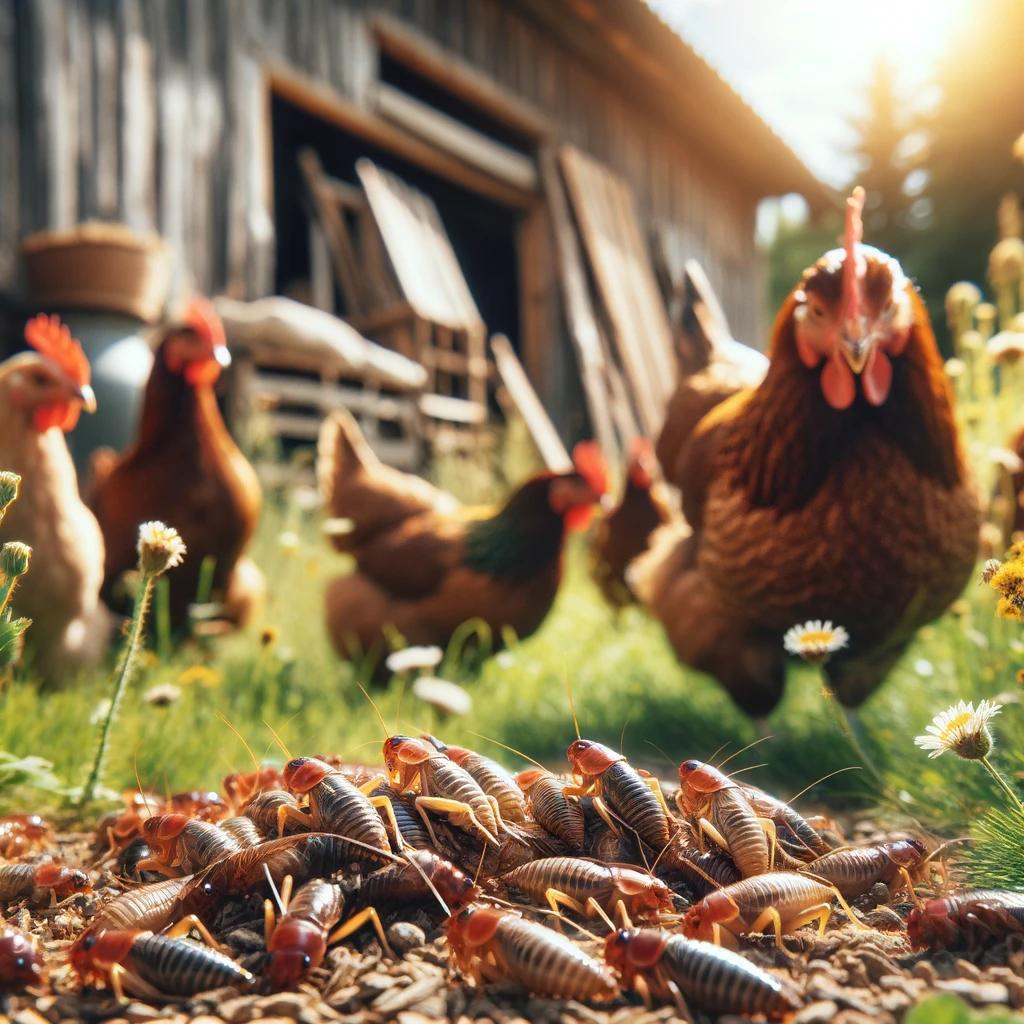
Can Chickens Eat Crickets?

Chickens eating crickets

Chickens can eat crickets as part of their diet. Crickets are rich in protein and other essential nutrients beneficial for chickens, making them a nutritious treat when offered in moderation. Are Crickets Safe for Chickens to Consume? Crickets are generally safe for chickens to consume, provided they are from a clean and reliable source. However, … Read more

Can Chickens Eat Crimson Clover?

Chickens eating crimson clover

Chickens can safely consume crimson clover, which is considered non-toxic to them. Crimson clover is a legume that offers several nutritional benefits for chickens, including protein, fiber, vitamins, and minerals. It can be a valuable addition to their diet when offered in moderation. Is Crimson Clover Safe for Chickens to Consume? Fresh crimson clover can … Read more

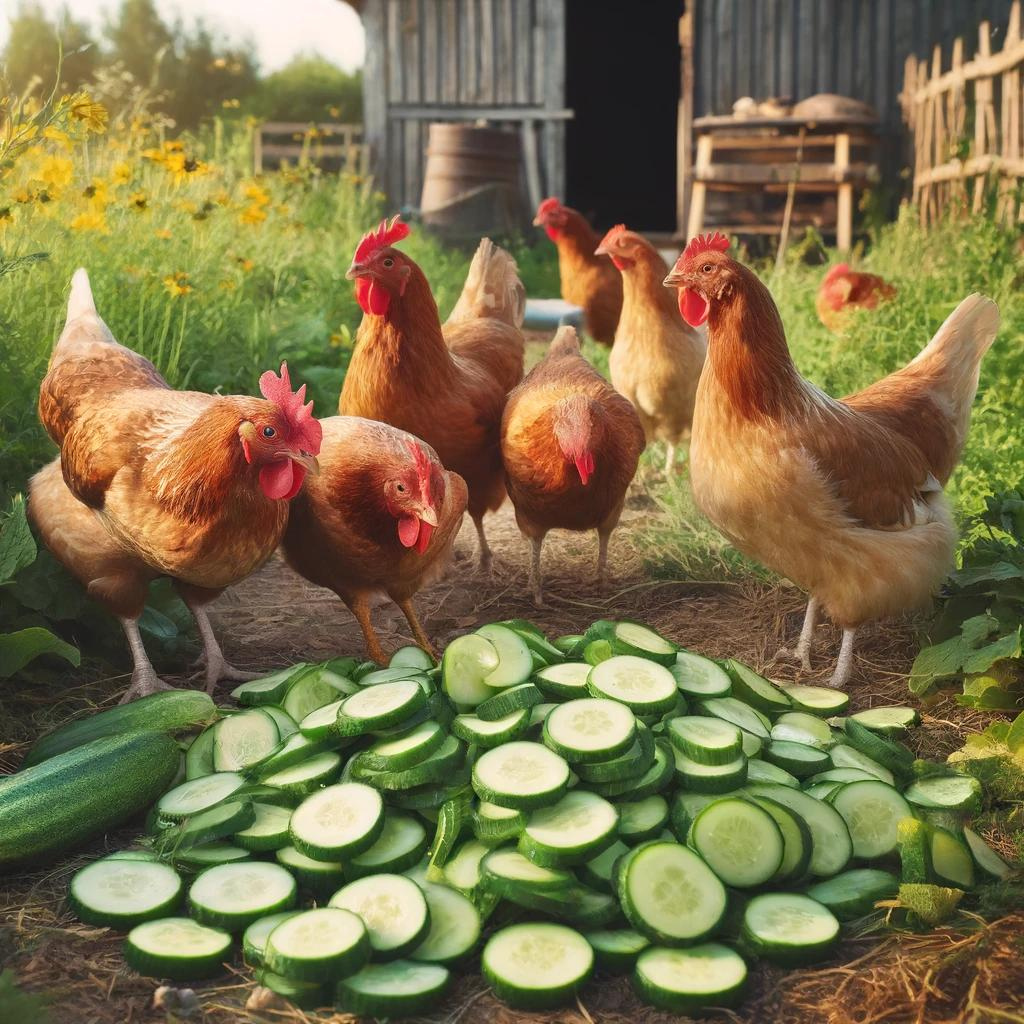
Can Chickens Eat Cucumbers?

Chickens eating cucumber

es, chickens can eat cucumbers. They provide hydration and some nutrients, but they should be fed in moderation alongside a balanced diet to ensure they receive all necessary nutrients for optimal health. Is It Safe for Chickens to Consume Cucumbers? Yes, cucumbers are generally safe for chickens to eat. However, like any treat, they should … Read more

Can Chickens Eat Currants?

Chickens eating currants

Yes, chickens can consume currants. These small fruits are safe for chickens in moderation as part of a balanced diet. They provide vitamins, minerals, and antioxidants beneficial for poultry health. Is It Safe for Chickens to Consume Currants? Yes, it’s generally safe for chickens to eat currants. However, moderation is key. Currants are a nutritious … Read more