The Righteous Hoodie Color Range: Which One Suits Your Style?
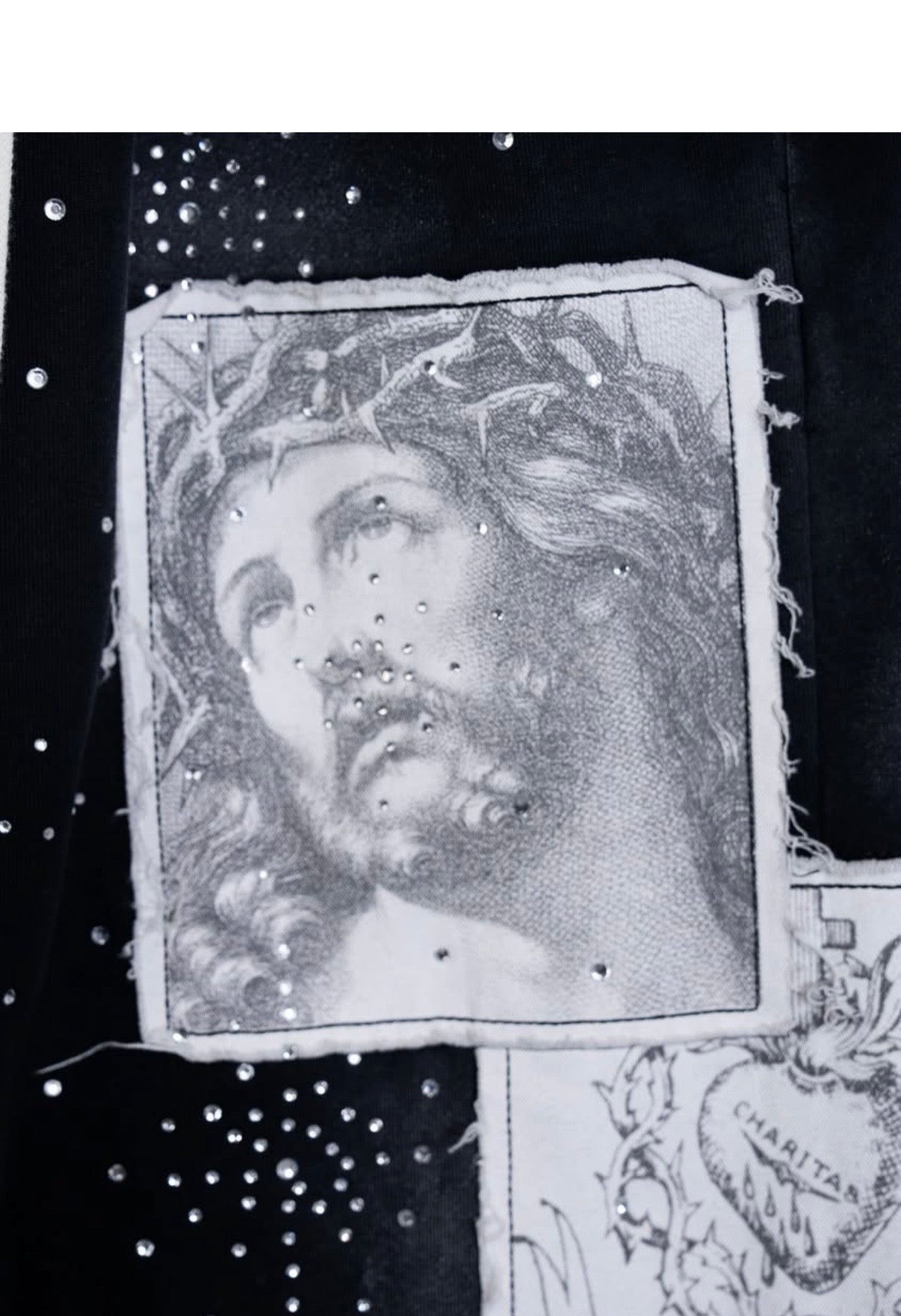
Until it lands in your wardrobe, choosing a hoodie colorway seems like a minor call — but then it either becomes a regular pick or hangs there untouched. The brand shaped its hoodie lineup around this very challenge, presenting a range of tones that span neutral basics, richer statement shades, and a few transitional shades that hold up year-round. This guide lays out how to approach shade choice, what each color group signals, and how the decision influences how it’s styled, cared for, and worn over time. Whether you’ve just discovered the righteous clothing brand or already own a piece and are deciding what to add next, the goal here is to make the decision easier and less second-guessed.
Choosing a shade in streetwear and everyday apparel is more than surface-level styling. It affects how often a garment actually leaves the closet, how it photographs, how it pairs with the rest of a wardrobe, and how forgiving it is with wear and washing over time. A hoodie in the wrong shade for someone’s daily rotation becomes a once-a-month item; the right one becomes a weekly staple. That distinction counts for more than most buyers realize when they’re scrolling product pages and choosing from just one image.
Why Shade Selection Counts More Than You’d Expect
Most shoppers gravitate toward black or grey because they figure neutrals are the safe choice, and often they’re right. But safe doesn’t always mean the ideal match for someone’s current closet or complexion. A cool-leaning grey reads differently under office fluorescents than it does in daylight, and a warm-leaning neutral can fight against certain jean shades or outerwear tones already in rotation. The Righteous design process accounts for this by maintaining consistent dye lots, which matters because inconsistent dye lots righteuos are one of the most common complaints in budget streetwear — shades vary order to order and buyers end up with two “black” hoodies that don’t actually match.
There’s also a practical laundering angle. Deeper shades conceal pilling and minor stains longer, which extends the fresh look of a piece between washes. Paler, pastel-leaning tones reveal wear sooner but look better in photos for content-heavy shoppers who share fit pics often. Anyone checking a Righteous review beforehand will typically see this trade-off mentioned — buyers care about how a hoodie looks in month six, not just on day one. The weight of the fabric also plays into color: thicker cotton blends tend to hold saturated colors better through repeated laundering than thinner fabrics, which lose color sooner no matter the dye quality.
A Closer Look at the Righteous Hoodie Shade Groups
The catalog of righteous hoodies typically divides into three workable segments for those trying to build a cohesive closet: foundational neutrals, richer statement colors, and in-between tones. Core neutrals include black, charcoal, and off-white — these are the shades that integrate into virtually any wardrobe someone already owns without needing any rework of the surrounding pieces. Bold statement shades include options like deep burgundy, forest, or navy, which convey extra character without straying into anything that restricts pairing options. Transitional shades occupy the middle ground, often toned-down, chalky versions that suit three seasons but read slightly differently depending on lighting and the pieces they’re worn alongside.
Knowing which category a given shade falls under helps shoppers steer clear of overbuying in one narrow category. An easy trap is picking up three hoodies that are nominally distinct in color but indistinguishable in practice in their styling role — a trio of dark neutrals, for example, whereas one dark neutral and two more distinct tones would create more outfit variety. This is a nuance that isn’t visible in one standalone product image but reveals itself once a person has more than one piece from the collection.
Matching Colorways to Skin Tone and Existing Wardrobe
Complexion shapes how a shade appears considerably more than most people factor in. Warm-leaning complexions generally pair well with olive, rust, and warm neutral shades, while cooler undertones tend to favor true black, navy, and frosty grey tones. This isn’t set in stone, but it clarifies why an identical hoodie can look flattering on one person and a touch faded on another despite identical fit and fabric. Those uncertain about their undertone can try an easy trick: gold jewelry that reads more flattering than silver against the skin typically indicates warm undertones, and the opposite generally indicates cool undertones.
What’s already in the closet matters just as much. Anyone whose closet trends toward warm earth tones — olive jackets, brown boots, tan pants — will get more mileage from a righteous hoodie piece in a matching shade than from an unrelentingly black option that forces the creation of a whole new outfit around it. The most efficient wardrobe-building approach is to pick a colorway that links two or more current outfit groups instead of one that pairs solely with just one pair of pants already in the closet.
A Comparison of the Core Righteous Hoodie Shades
The comparison below compares the main shade choices based on flexibility, seasonal wear, and care requirements — three factors that carry more weight day to day than first-glance looks.
| Colorway | Best For | Seasonal Fit | Care Demands |
|---|---|---|---|
| Black | Daily wear, simple layering options, and a low-fuss wardrobe cycle | Any time of year | Light — hides fabric pilling and small marks nicely |
| Grey Charcoal | Office-casual, neutral-toned closets, cooler undertones | Autumn into spring | Medium — reveals lint to a greater degree than black |
| Off-White | Creators building warm-weather looks, plus bold outfits | The spring-summer stretch | Significant — requires more frequent cleaning attention |
| Deep, Burgundy Hue | Warm color pairings, fall-season closets, eye-catching picks | Autumn into winter | Fair — dark tone conceals the bulk of wear-and-tear |
| Forest Green | Earthy closets and outdoor-inspired outfits | From fall to early spring | Medium — fading apparent after repeated washes |
This side-by-side look isn’t about rating shades as superior or inferior — the point is aligning care tolerance and seasonal wearing patterns to the ideal option. If someone wears a hoodie every day and skips frequent washing, black or burgundy is the smarter choice. A person building a warm-weather core wardrobe will get more use from off-white, even with the added upkeep it requires.
How Colorway Affects Longevity and Cost-Per-Wear
Because outerwear and outer pieces get worn much more often than most wardrobe items, cost-per-wear is a useful lens to apply to hoodie purchases. A hoodie worn two times a week over a year hits 100 wears, while one worn two times a month lands closer to 24. One of the biggest drivers of that frequency gap is the color chosen, since a hue that clashes with half a wardrobe simply won’t get reached for as often, no matter how strong the fabric or fit is.
Because they hold up better visually and pair with more existing pieces, deeper tones in the We Are Righteous lineup tend to achieve better cost-per-wear numbers. This isn’t meant as criticism of lighter tones; it’s simply a data point worth factoring into the decision — particularly for those buying from the brand for the first time working out where to start. A first-time buyer optimizing for maximum use should generally start with a neutral and expand into statement tones once the neutral has proven itself in rotation.
How Colorways Perform Over Time, According to Reviews
A handful of repeated themes keep surfacing in buyer feedback no matter the shade. Colorfastness after repeated washes is the most commonly cited factor in a we are righteous review, with deeper shades generally scoring better for holding onto color depth after 15-20 washes versus lighter tones, which show more visible fading over that same span. Reviewers also note is consistency in fit across colorways — fit feels consistent regardless of shade, suggesting dye processes don’t noticeably impact fabric shrinkage or stretch.
Long after the sale itself, the shade picked influences how versatile a wardrobe feels, as reviewers also mention. A righteous hoodie in a neutral shade, multiple reviewers observe, turned into a daily go-to, whereas by contrast statement-tone buys got trotted out only occasionally. Matching the cost-per-wear logic above, this confirms that colorway choices deserve longer-term wearability consideration, not just checkout-photo appeal.
Wrapping Up: Selecting the Right Colorway
No colorway is universally correct, only one matched to a person’s complexion, current closet, weather, and laundry routine. If a buyer is starting a first capsule with We Are Righteous, priority should go to a core neutral ahead of deeper or more seasonal tones, mainly because neutral shades blend in sooner and confirm fit and fabric quality before any larger spend. By contrast, buyers with an already-established warm-toned wardrobe should go straight for burgundy or forest green instead of defaulting to black simply because it seems safest.
Ultimately, the point is that colorway isn’t a cosmetic afterthought in the righteous product line — it’s a functional decision with real consequences for how often a piece gets worn and how long it looks good doing it. Matching color to lifestyle, not just to a single outfit photo, is what sets apart a hoodie that turns into an everyday favorite from one that ends up folded and forgotten on a shelf.